
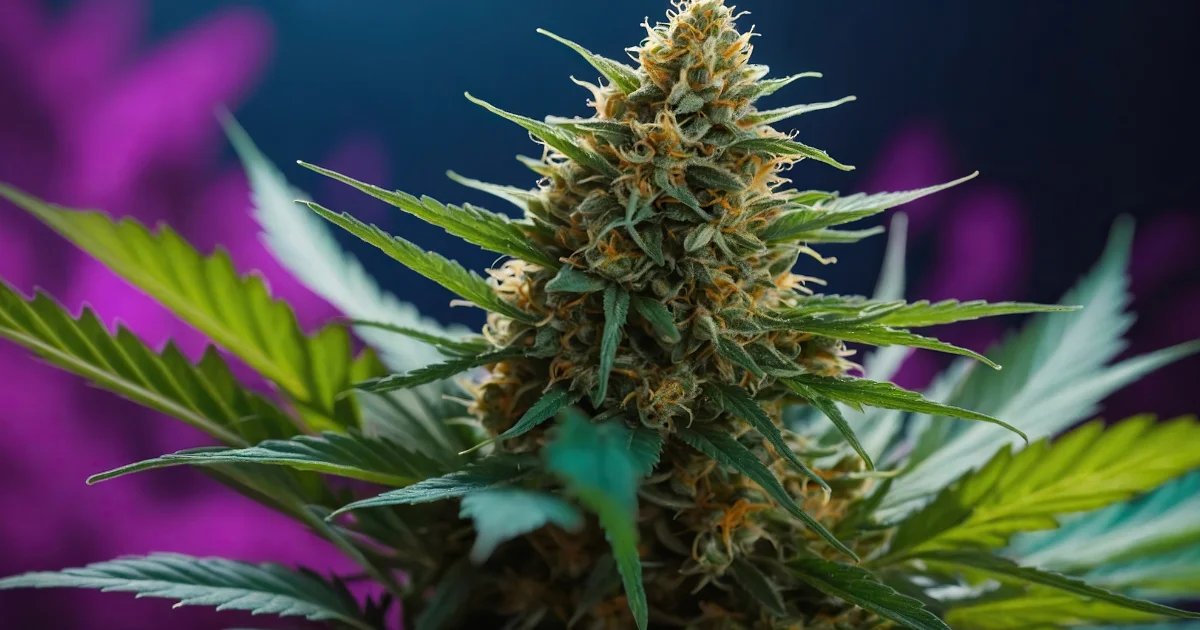
Delta-8 and Delta-9 are two forms of tetrahydrocannabinol (THC), a group of cannabinoids naturally found in cannabis plants. Both can produce psychoactive effects, but they differ in their chemical structure, typical potency, effects, and legal status. If you are searching for a smoke shop near me, you may find Delta-8 and Delta-9 products at Smoke It Up.
Delta-9 THC is the cannabinoid most commonly associated with the traditional cannabis “high.” Delta-8 THC can also produce intoxicating effects, but it is generally described as less potent. Individual responses can vary depending on the product, amount consumed, method of use, and a person’s tolerance. Understanding the differences between Delta-8 and Delta-9 can help consumers better understand what these products contain and the potential risks associated with their use.
Delta-8 and Delta-9 THC Are Closely Related Cannabinoids
Delta-8 THC and Delta-9 THC have very similar molecular structures. The primary difference is the location of a particular double bond in their chemical structures. Consumers exploring cannabis-related products may also come across THCA flower, which contains tetrahydrocannabinolic acid (THCA), a different cannabinoid precursor.
Although this difference may appear small, it can affect how each compound interacts with cannabinoid receptors in the body. Both compounds can interact with the body’s endocannabinoid system and can produce intoxicating effects. Delta-9 THC occurs naturally in cannabis in relatively significant amounts. Delta-8 THC occurs naturally as well, but generally in much smaller quantities.
Delta-9 THC Generally Produces Stronger Psychoactive Effects
Delta-9 THC is generally more potent than Delta-8 THC and is more strongly associated with the intoxicating effects of cannabis. Potential effects of Delta-9 THC can include:
- Euphoria
- Altered perception of time
- Changes in sensory perception
- Relaxation
- Increased appetite
- Impaired coordination
- Impaired judgment
- Short-term memory changes
- Anxiety or paranoia in some people
The intensity of these effects depends on factors such as the amount consumed, the product’s concentration, individual tolerance, and whether THC is combined with other substances.
Delta-8 THC Can Also Cause Intoxication
Delta-8 THC is psychoactive, meaning it can affect perception, mood, coordination, and alertness. Although it is generally considered less potent than Delta-9 THC, it can still produce a noticeable high. Reported effects may include:
- Relaxation
- Euphoria
- Drowsiness
- Altered perception
- Increased appetite
- Impaired coordination
- Anxiety or confusion in some individuals
Delta-8 and Delta-9 Differ in Typical Potency
Potency is one of the most important practical differences between Delta-8 and Delta-9.
Delta-9 generally produces stronger intoxicating effects at comparable amounts, while Delta-8 is commonly described as producing a milder effect. However, there is no universal conversion that can accurately predict how a particular person will respond to each compound. Product concentration, formulation, route of administration, tolerance, and individual metabolism can all affect the experience.
Edibles Can Have Delayed and Longer-Lasting Effects
Delta-8 and Delta-9 are available in edible products such as gummies. Edibles behave differently from inhaled cannabis products because the compounds pass through the digestive system before producing effects.
The delayed onset can make it difficult for someone to immediately judge how strongly an edible will affect them. Taking additional amounts before the initial effects are felt can increase the risk of unwanted intoxication. Both Delta-8 and Delta-9 edibles should therefore be treated as potentially intoxicating products.
Delta-8 and Delta-9 Can Affect Driving Ability
Both Delta-8 and Delta-9 can impair reaction time, coordination, attention, and judgment. These effects can create significant safety risks when someone drives or operates machinery.
Feeling less intoxicated does not necessarily mean that coordination or judgment is unaffected. People should avoid driving or performing safety-sensitive activities after using intoxicating THC products.
Delta-8 and Delta-9 Have Different Legal Considerations
The legal status of Delta-8 and Delta-9 can be complicated and may depend on federal law, state law, product source, THC concentration, and how the product is manufactured.
Under the federal 2018 Farm Bill framework, hemp was defined based on its concentration of Delta-9 THC, which contributed to the growth of hemp-derived cannabinoid products. However, federal and state regulatory rules have continued to evolve, and some jurisdictions restrict or prohibit Delta-8 products.
Delta-9 products are also subject to different rules depending on whether they are derived from hemp or marijuana and the applicable state regulations. Consumers should check the laws in their jurisdiction rather than assuming that a product is legal because it is sold in a retail store.
Product Labels Can Be Important
THC products can vary considerably in potency and formulation. A product labelled Delta-8 or Delta-9 may also contain other cannabinoids or ingredients. Before purchasing a product, consumers should review:
- The amount of THC per serving
- Total THC content
- Other cannabinoids and ingredients
- Recommended serving information
- Laboratory testing, when available
- Manufacturer information
- Applicable age restrictions and warnings
Independent laboratory testing can provide additional information about cannabinoid concentrations and potential contaminants, although consumers should still evaluate the reliability of the testing source.
Delta-8 Products Can Present Additional Safety Concerns
The FDA has raised concerns about Delta-8 THC products. Delta-8 is not present naturally in cannabis in large amounts, so commercially available Delta-8 products are often manufactured by converting CBD or another cannabinoid into Delta-8 THC.
The FDA has warned that this manufacturing process can involve potentially harmful chemicals and may result in unwanted contaminants if the process is not properly controlled.
The agency has also received reports involving adverse events associated with Delta-8 THC products. These concerns are especially relevant because many Delta-8 products are sold outside the regulatory framework used for FDA-approved medications.
Delta-8 and Delta-9 Can Produce Side Effects
Both forms of THC can cause unwanted effects, particularly at higher amounts. Possible effects include:
- Drowsiness
- Confusion
- Anxiety
- Paranoia
- Increased heart rate
- Impaired coordination
- Problems with attention
- Changes in perception
- Nausea or vomiting
Children and Pets Face Particular Risks
THC products should be kept away from children and pets. Gummies and other edible products can resemble ordinary candy or food, increasing the risk of accidental ingestion.
Accidental exposure can result in significant intoxication and may require medical attention. Store THC products securely and in their original packaging where children and pets cannot access them.
Delta-8 and Delta-9 Can Interact With Other Substances
THC can interact with other substances, including alcohol and medications. Combining intoxicating substances can increase impairment and may increase the likelihood of unwanted effects.
People who take prescription medications or have underlying health conditions should discuss cannabis or cannabinoid use with a healthcare professional before using these products.
Delta-8 and Delta-9 Are Not FDA-Approved Treatments
Delta-8 and Delta-9 THC products sold as consumer products should not automatically be considered medical treatments.
The FDA has approved specific cannabis-derived and cannabis-related prescription medications for particular medical conditions, but that does not mean commercially sold Delta-8 or Delta-9 products have been evaluated and approved for treating diseases.
Consumers should be cautious about products marketed as cures or treatments for serious medical conditions.
Key Differences Between Delta-8 and Delta-9
| Feature | Delta-8 THC | Delta-9 THC |
| Cannabinoid type | THC | THC |
| Psychoactive | Yes | Yes |
| Typical potency | Generally lower | Generally higher |
| Intoxicating effects | Can produce a high | Commonly produces a stronger high |
| Common forms | Gummies, vapes, tinctures and other products | Gummies, vapes, flower and other products |
| Natural abundance | Generally present in smaller amounts | More abundant in cannabis |
| Legal status | Varies by jurisdiction | Varies by source and jurisdiction |
| Safety concerns | Intoxication, impairment and product-quality concerns | Intoxication, impairment and product-quality concerns |
Choosing Between Delta-8 and Delta-9 Requires Safety Awareness
Delta-8 and Delta-9 are similar cannabinoids with different chemical structures and generally different levels of psychoactive potency. Delta-9 typically produces stronger intoxicating effects, while Delta-8 is often marketed as a milder alternative.
Neither should be assumed to be risk-free. Product quality, dosage, individual health, medication use, age, and local laws can all affect whether a THC product presents risks for a particular person.
Exploring THC and CBD Products at Smoke It Up
Smoke It Up offers a broad selection of products for customers in Houston and Angleton, including Delta 8/THCA gummies, CBD products, vape products, THCA, kratom, detox products, and hookah supplies. The shop carries products from brands such as GeekBar, Sticky Green, URB, Mellow Fellow, Ghost, Half Baked, and Al Fakher.
With locations in Houston and Angleton, Smoke It Up provides a convenient place to explore its selection of CBD, Delta 8/THCA gummies, and other smoke-shop products. Both locations are open daily from 10 AM to 11 PM.


