
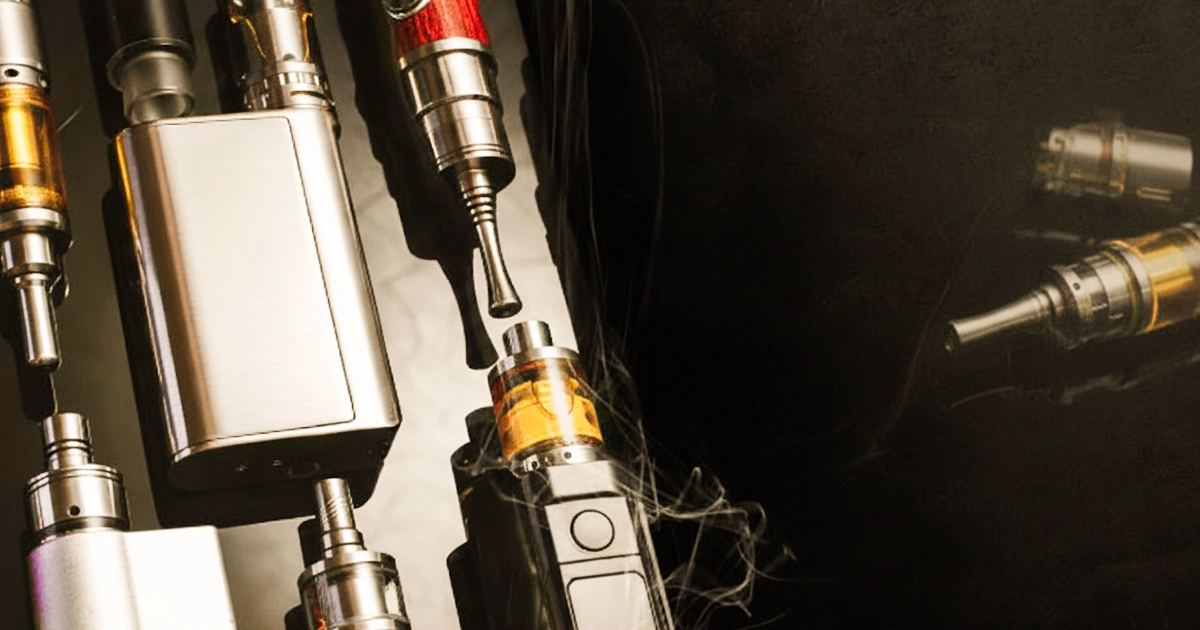
The question of when vapes were invented takes us back to the fascinating history of vaping, a journey that begins long before modern e-cigarettes became a global trend. The first vape was developed as an innovative alternative to traditional smoking, aiming to deliver nicotine without the harmful effects of combustion.
Many trace the invention of the first e-cigarette to the early 2000s, though its origins can be linked to earlier prototypes and experimental devices designed to vaporize liquids. Understanding this evolution offers insight into how vaping transformed from a niche concept into a widely recognized lifestyle choice.
Today, brands like Smoke It Up carry forward this legacy, offering high-quality vapes and e-liquids that combine innovation, safety, and style for both new and experienced vapers.
The Origins of Vaping: Early Experiments
Understanding when vaping starts takes us back much further than many realize. The history of vaping actually begins in the early 20th century, when inventors first experimented with devices designed to vaporize nicotine without burning tobacco.
These early prototypes paved the way for the first vape, though they were often bulky and unreliable. It wasn’t until decades later that technology improved enough to create the modern, user-friendly e-cigarettes we recognize today. These early experiments laid the groundwork for a vaping revolution that would eventually transform smoking habits worldwide.
Who Invented the Vape?
The invention of the modern vape is usually credited to Hon Lik, a Chinese pharmacist, who developed the first vape or e-cigarette in 2003. Motivated by a personal desire to quit smoking after his father died of lung cancer, Hon Lik created a device that used ultrasonic technology to vaporize a nicotine solution, offering smokers a safer alternative to traditional cigarettes.
However, the history of vaping stretches back decades before this. Early attempts to create smoking alternatives date to the 1920s and 1960s, when inventors experimented with various vaporizing devices, though none became commercially successful.
Hon Lik’s innovation, therefore, represents the first widely recognized and practical e-cigarette, marking a pivotal moment in the evolution of vaping.
Key Takeaways:
- Hon Lik, a Chinese pharmacist, is credited with inventing the first vape in 2003.
- His invention was motivated by a personal goal to quit smoking after losing his father to lung cancer.
- The device used ultrasonic technology to vaporize nicotine, offering a safer alternative to traditional cigarettes.
- The history of vaping includes earlier experimental devices from the 1920s and 1960s, though they were not commercially successful.
- Hon Lik’s e-cigarette marked the first practical and widely recognized vape, shaping the modern vaping industry.
Read more: How to Vape Properly: Guide for Beginners
Evolution of Vapes Over Time
The history of vaping spans nearly a century, beginning with early experiments and evolving into the sophisticated devices we see today. Here’s a detailed timeline:
- 1927 – Joseph Robinson: Filed a patent for the first electric vaporizer for medicinal use, though it was never commercialized.
- 1963 – Herbert A. Gilbert: Patented the first electronic cigarette design as a smokeless alternative to tobacco. The idea did not gain traction at the time.
- 1979 – Phil Ray & Dr. Norman Jacobson: Developed an early commercial e-cigarette and introduced the term “vape,” but the product saw limited success.
- 1990s: Multiple nicotine delivery patents were filed in the U.S., yet none became widely adopted.
- 2003 – Hon Lik: Developed the first modern e-cigarette, capable of delivering nicotine without combustion, laying the foundation for today’s devices.
- 2007: E-cigarettes officially entered the U.S. market, gaining popularity as an alternative to smoking.
- 2008 – WHO Guidance: The World Health Organization advised against marketing e-cigarettes as smoking cessation tools, sparking global regulatory debates.
- 2011: Studies suggested vaping could help adult smokers quit. The FDA announced plans to regulate e-cigarettes like tobacco products.
- 2016 – FDA “Deeming Rule”: E-cigarettes came under federal regulation, with age restrictions, product reviews, and marketing controls.
- 2019 – EVALI Cases: Widespread concern over lung injuries linked primarily to illegal THC vaping products, not regulated nicotine e-cigarettes.
- Today & Beyond: Millions use vaping products in the U.S. Ongoing debates focus on youth prevention, flavor restrictions, taxation, and FDA authorization, shaping the future of vaping.
From the first vape to today’s advanced systems, vaping has evolved into a versatile industry, reflecting technological innovation and changing consumer preferences.
Global Impact of the Vape Invention
The invention of the first vape and the evolution of vaping devices have had a significant impact worldwide, influencing public health, consumer behavior, and global markets.
- Smoking Alternatives and Public Health: Vaping has provided millions of smokers with an alternative to traditional cigarettes. While not risk-free, e-cigarettes are often considered a less harmful way to consume nicotine, potentially reducing exposure to harmful chemicals from combustion.
- Economic Growth and Industry Expansion: The vaping industry has grown into a multi-billion-dollar global market. From small vape shops to large multinational companies, the demand for e-cigarettes, pod systems, mods, and flavored e-liquids has driven innovation, marketing, and retail expansion across continents.
- Regulatory Challenges: The rise of vaping has prompted governments and organizations, such as the FDA and the WHO, to implement regulations to ensure safety, prevent youth access, and control marketing practices. These regulations vary globally, shaping how vaping products are sold and consumed.
- Cultural Influence: Vaping has influenced lifestyles and youth culture, becoming both a social trend and a topic of public debate. It has also sparked global conversations about harm reduction, smoking cessation, and public health policies.
- Scientific Research and Awareness: The history of vaping has encouraged scientific research into nicotine consumption, lung health, and addiction patterns. This research continues to inform public health guidelines and consumer awareness worldwide.
In summary, the invention of the vape has not only transformed how people consume nicotine but also sparked global economic, cultural, and regulatory changes, making it one of the most influential innovations in modern smoking alternatives.
Celebrate the Legacy of the First Vape with Smoke It Up
Now that you know when vapes were invented, it’s clear that the first vape or first e-cigarette developed by Hon Lik in 2003 paved the way for the modern vaping devices we enjoy today. From early experiments to today’s advanced pod systems and mods, vaping has come a long way, offering a convenient and satisfying alternative to traditional smoking.
Ready to experience vaping for yourself? Smoke It Up brings you high-quality vapes, e-liquids, and accessories designed for both beginners and seasoned vapers. Explore our collection today and be part of the evolution that began with the very first vape.