
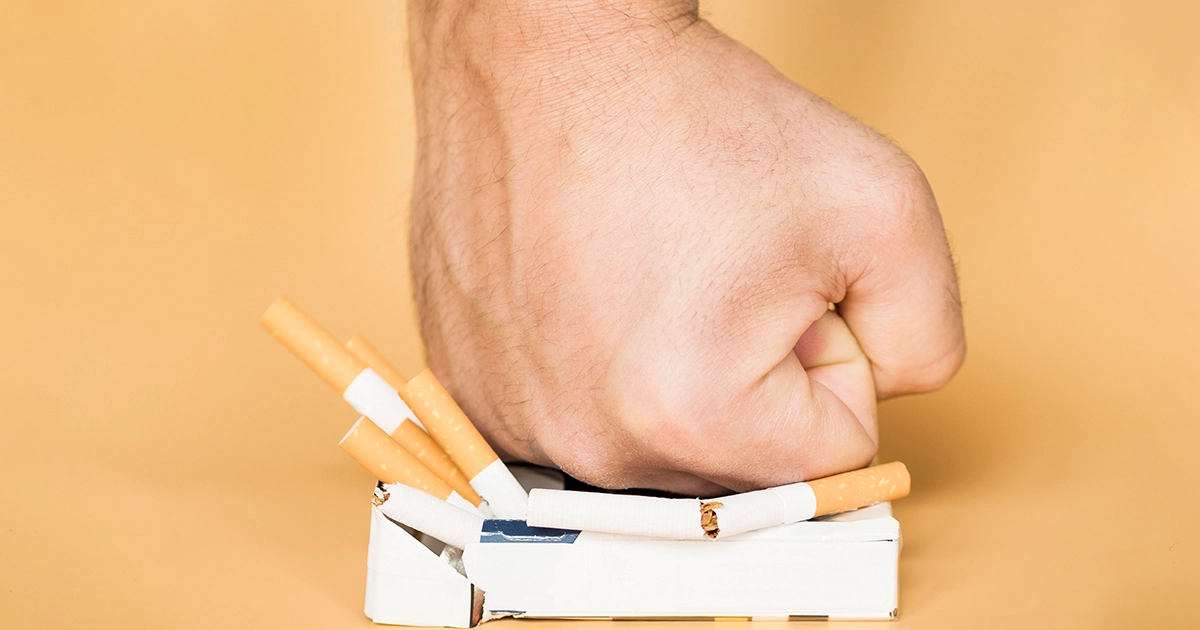
Quitting smoking is one of the most challenging yet rewarding decisions you can make for your health. When you stop, your body begins to heal almost immediately, but it also reacts to the absence of nicotine, leading to nicotine withdrawal symptoms that can be both physical and emotional. Understanding the quit smoking timeline can help you anticipate these changes and stay motivated, while being aware of common tobacco withdrawal symptoms ensures you’re prepared for the challenges ahead.
In this guide, we’ll break down what happens to your body and mind when you quit smoking and how to navigate the journey successfully.
If you’re looking for a trusted smoke shop with a wide selection of smoking products and accessories, Smoke It Up has everything you need. Stop by today and explore premium tobacco, vaping products, and more—all in one convenient place.
What Happens to Your Body When You Quit Smoking
When you quit smoking, your body begins an impressive process of healing almost immediately. Here’s a breakdown of what happens over time:
1. Within 20 Minutes
As soon as you put out your last cigarette, your body begins to respond almost immediately. Within just 20 minutes, your heart rate and blood pressure start to drop toward healthier levels. This reduces strain on your cardiovascular system and lowers the immediate risk of a heart attack. Even small improvements at this stage signal that your body is starting to recover.
2. Within 12 Hours
Cigarette smoke introduces carbon monoxide into your bloodstream, which reduces your blood’s ability to carry oxygen. Within 12 hours of quitting, carbon monoxide levels drop significantly, and oxygen levels rise. This allows your organs and tissues to function more efficiently, helping your body start the healing process and improving energy levels.
3. Within 2–3 Days
By the second or third day, nicotine has mostly left your system. This is when nicotine withdrawal symptoms often peak. You might experience:
- Strong cravings for nicotine
- Irritability or mood swings
- Anxiety or restlessness
- Difficulty concentrating
These symptoms are uncomfortable but temporary. Understanding that they are part of your body adjusting to a tobacco-free state can help you stay motivated.
4. Within 2–12 Weeks
As your body continues to heal, circulation improves, meaning blood flows more efficiently to your muscles and organs. Lung function also starts to increase, making it easier to breathe and perform physical activities. You may notice:
- Less shortness of breath
- Increased energy during exercise
- Faster recovery after physical activity
This period is key for reinforcing healthy habits, such as regular exercise, which can further support your lungs and heart.
5. Within 1–9 Months
Over several months, your lungs begin to repair themselves. Tiny hair-like structures in your airways called cilia start functioning properly again, helping to clear mucus and reduce the risk of infection. During this stage, many people notice:
- Less coughing and wheezing
- Reduced congestion
- Fewer respiratory infections
This stage marks a significant improvement in lung health and overall breathing comfort.
6. After 1 Year
One year after quitting, your risk of coronary heart disease is about half that of someone who continues to smoke. This happens because your blood vessels become healthier and circulation improves, lowering the likelihood of heart attacks and related complications.
7. After 5–10 Years
Between five and ten years, your risk of stroke and several types of cancer, including mouth, throat, esophagus, and bladder cancer, decreases dramatically. Smoking-related damage to your blood vessels and tissues continues to repair, reducing your long-term health risks.
8. After 10 Years
A decade after quitting, your risk of lung cancer is about half that of a smoker, and overall mortality rates improve significantly. The body’s repair processes continue to reverse the long-term damage caused by smoking, giving you a much healthier outlook and increased life expectancy.
Throughout this process, dealing with tobacco withdrawal symptoms like mood swings, trouble sleeping, or cravings is common, but they gradually become less intense as your body adjusts. Understanding this natural healing process and following a quit smoking timeline can make the journey easier and help you stay committed to a smoke-free life.
When Do Nicotine Cravings Stop
Nicotine cravings don’t disappear immediately—they follow a gradual decline as your body adjusts to life without nicotine. The timing varies for each person, but here’s a general guide:
- First Few Days (2–3 Days): Cravings are strongest in the first few days as nicotine leaves your body. You may feel intense urges, irritability, restlessness, and trouble concentrating.
- First 2–4 Weeks: Cravings are still frequent but more manageable. They are often triggered by stress, routines, or social situations. Coping strategies like chewing gum, exercising, or deep breathing can help.
- 1–3 Months: Physical cravings reduce significantly, but psychological triggers may still cause short, mild urges.
- 3–6 Months: Cravings are usually mild and infrequent, lasting only a few minutes, and can be handled with simple distractions.
- 6–12 Months and Beyond: Cravings fade dramatically after a year. Occasional urges may appear, but they are easy to resist and rarely lead to relapse.
Key takeaway: Nicotine cravings are strongest in the first few days to weeks, gradually becoming less intense and less frequent over the first 3–6 months. Understanding this timeline helps you stay prepared and reduces the risk of relapse.
Read Related: How Much Nicotine Is in a Vape and What You Should Know
Mental and Emotional Changes After Quitting
Quitting smoking affects not just your body but also your mind. During the first days and weeks, it’s normal to experience emotional ups and downs as your brain adjusts to life without nicotine. Here’s what you can expect:
- Mood Swings: Irritability and frustration are common in the first few days due to nicotine withdrawal.
- Anxiety: You may feel anxious or restless as your body adjusts to life without nicotine.
- Difficulty Concentrating: Nicotine affects brain chemistry, so focus and attention can be temporarily reduced.
- Cravings Triggered by Habits: Emotional or situational triggers, like stress or daily routines, can spark urges to smoke.
- Improved Mood Over Time: After the initial withdrawal period, many people notice a calmer, more stable mood.
- Better Mental Clarity: Cognitive function and focus gradually improve as your brain adapts to being nicotine-free.
- Coping Strategies Help: Exercise, meditation, engaging hobbies, or deep breathing can reduce emotional challenges.
Challenges and How to Overcome Them
Quitting smoking is a journey that comes with both physical and mental challenges. Understanding common obstacles and having strategies to tackle them can greatly improve your chances of success.
- Nicotine Cravings: Strong urges to smoke can occur throughout the day.
Overcome by: Using nicotine replacement therapy (gum, patches), staying busy, or practicing deep breathing. - Mood Swings and Irritability: Emotional ups and downs are common during withdrawal.
Overcome by: Exercising, meditating, or talking to supportive friends or family. - Weight Gain: Some people gain weight after quitting due to changes in metabolism or snacking.
Overcome by: Eating healthy snacks, staying active, and drinking plenty of water. - Triggers and Habits: Certain routines, social situations, or stress can trigger cravings.
Overcome by: Avoiding triggers when possible, replacing smoking with healthier habits, or keeping hands and mouth busy. - Relapse Risk: Many people experience setbacks, especially in the first few months.
Overcome by: Learning from slips, staying committed, and seeking support from quit-smoking programs or groups.
Health Benefits of Quitting Smoking
Quitting smoking has immediate and long-term benefits for nearly every part of your body. Here’s what you can expect:
- Improved Heart Health: Your heart rate and blood pressure drop quickly, and your risk of heart disease decreases over time.
- Better Lung Function: Lung capacity and breathing improve, reducing coughing, wheezing, and shortness of breath.
- Lower Cancer Risk: The risk of lung, mouth, throat, and other cancers gradually declines the longer you stay smoke-free.
- Enhanced Circulation: Blood flow improves, supporting better oxygen delivery to organs and muscles.
- Stronger Immune System: Quitting smoking helps your body fight infections more effectively.
- Improved Sense of Taste and Smell: Food becomes more flavorful, and scents are sharper as your senses recover.
- Better Skin Health: Skin appears healthier as blood flow improves and premature aging slows.
- Increased Life Expectancy: Long-term quitting reduces the risk of serious diseases, contributing to a longer, healthier life.
Explore this guide from the American Cancer Society, where they explain the health benefits of quitting smoking over time.
Find Everything You Need at Smoke It Up
Looking for a reliable smoke shop with a wide range of products? Smoke It Up has you covered. From premium tobacco and vaping products to accessories, our store offers everything enthusiasts need in one place. Stop by Smoke It Up and explore the best selection for all your smoking needs.


